Finding Balance: The Importance of Moistening Herbs and Demulcent
As someone deeply passionate about herbal medicine, I've experienced firsthand the incredible benefits that herbs can offer. From soothing a sore throat to calming an anxious mind, herbs are truly nature's gift to us. However, I've also learned that many herbs, while powerful, can have a drying effect on our tissues. This discovery led me to explore the wonderful world of moistening herbs and demulcents, which have become essential parts of my wellness routine. I want to share with you why these herbs are so important and how you can incorporate them into your life for better balance and health.
My Journey with Herbs
When I first started using herbs, I was amazed by their effectiveness. However, I began to notice that some herbs, like sage and rosemary, were leaving me with dry skin and a scratchy throat. It made me realize that while these herbs were beneficial, they also had a drying effect on my body. This prompted me to delve deeper into the properties of herbs and seek out those that could help counteract this dryness.
Discovering Moistening Herbs and Demulcents
Moistening herbs and demulcents are the perfect complements to their drying counterparts. They help to hydrate and soothe our tissues, preventing the discomfort that can come with dryness. Demulcents, in particular, are herbs that form a soothing film over mucous membranes, relieving minor pain and inflammation. If you’ve ever experienced dry skin, a dry cough, or even digestive issues, incorporating these herbs can make a significant difference.
My Favorite Moistening Herbs and Demulcents
Here are some of the moistening herbs and demulcents that I’ve found to be particularly helpful:
1. Marshmallow Root (Althaea officinalis): This was one of the first moistening herbs I tried, and I quickly fell in love with its soothing properties. It’s fantastic for the digestive and respiratory systems, helping to keep everything hydrated and comfortable.
2. Slippery Elm (Ulmus rubra): I often turn to slippery elm when I need to soothe irritated mucous membranes. It’s been a lifesaver during cold and flu season, helping to alleviate throat irritation.
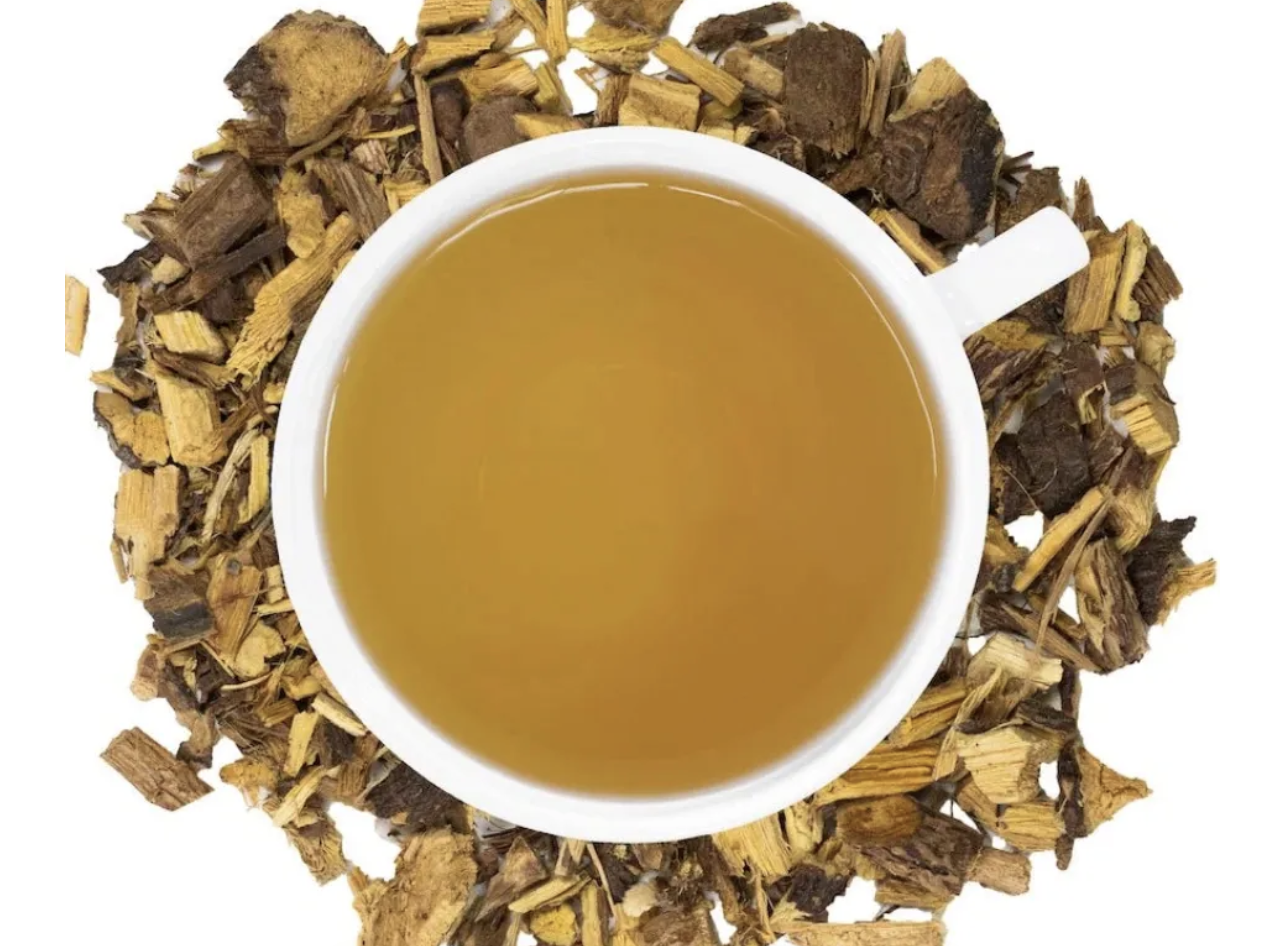
3. Licorice Root (Glycyrrhiza glabra): Licorice root is not only hydrating but also helps manage stress. I find it particularly useful for supporting adrenal health and reducing inflammation.
4. Shatavari (Asparagus racemosus): This Ayurvedic herb has been a wonderful addition to my routine, especially for supporting hormonal balance and overall vitality.
5. Aloe Vera (Aloe barbadensis): Aloe vera is a staple in my home, both for topical use and internal consumption. It’s excellent for soothing digestive issues and promoting skin health.
How I Incorporate Moistening Herbs and Demulcents
Incorporating these herbs into my daily routine has been a game-changer. Here’s how I do it:
-Teas and Infusions: I love making teas and infusions with marshmallow root and slippery elm. They’re soothing and hydrating, perfect for when I need a little extra comfort.
- Tinctures: Tinctures are a convenient way to get the benefits of moistening herbs and demulcents. I add a few drops to water or take them directly, depending on what I need.
- Topical Applications: For skin hydration, aloe vera gel is my go-to. I also enjoy creating balms with licorice root for added moisture.
- Herbal Capsules: On busy days, herbal capsules are a quick and easy option. They allow me to maintain my routine without much fuss.
Conclusion
Herbal medicine is all about balance. By incorporating moistening herbs and demulcents into my routine, I’ve been able to enjoy the full benefits of herbs without the discomfort of dryness. If you’re exploring herbal remedies, I encourage you to try adding some moistening herbs and demulcents to your regimen. They can make a world of difference, helping you maintain hydrated and healthy tissues while reaping the benefits of nature’s bounty.
Remember, finding the right balance is key to effective herbal therapy. With a thoughtful approach, you can create a harmonious and beneficial routine that supports your overall well-being.
